
Women are less likely to use video for telehealth care

A wide-ranging study published this past week in the Journal of the American Medical Association found that older people, women, Black and Latinx individuals, and patients with lower household incomes were less likely to use video for telemedicine care during the early phase of the COVID-19 pandemic.
8 Digital Health Predictions For 2021

One of the silver linings of 2020 is that digital health is finally coming into its own. The disruption created by the pandemic is creating new opportunities for digital health startups. I spoke with five leading early stage health tech investors across the US and Europe about the trends they are seeing and their predictions for the year ahead.
SPECIAL REPORT: Challenges and Opportunities for Telemedicine in Latin America
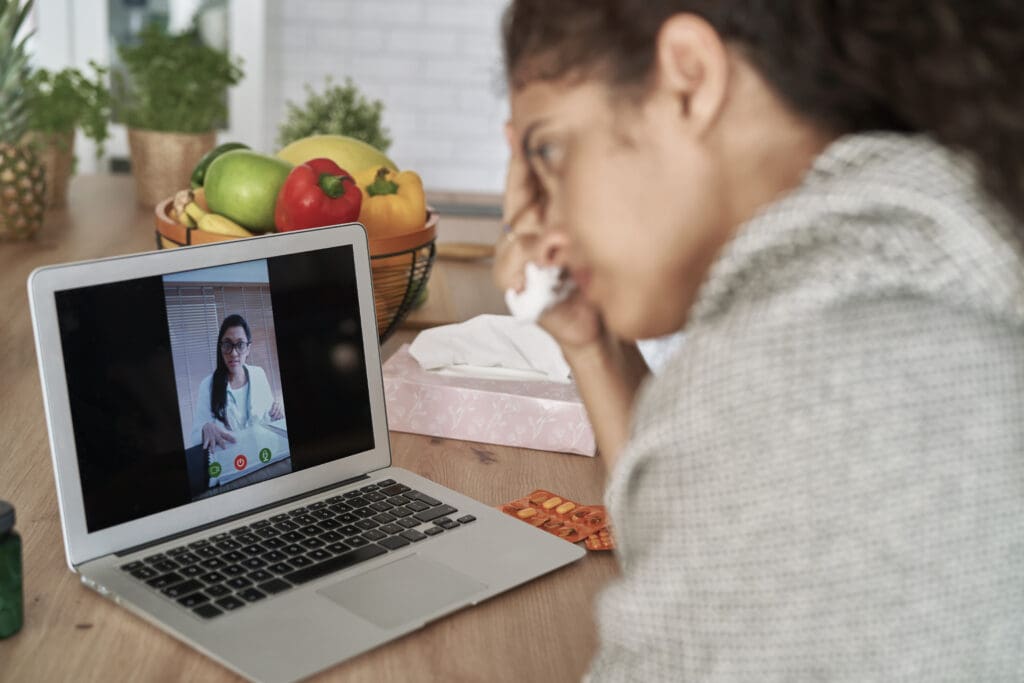
According to the United Nations for the Economic Commission for Latin America and the Caribbean (ECLAC), the challenges related to healthcare in the region “arise chiefly from inequalities in access to and quality of health care, demographic, and epidemiological changes in the population, the pressure exerted on health care systems by shortages of resources (professionals, infrastructure, supplies, etc.), and public expenditure sustainability issues.”
Where Telehealth Is Headed In 2021

The telehealth industry saw demand rise incredibly quickly this spring as Covid-19 started sweeping through the Northeast. But while the spotlight on telehealth has been mainly related to its usefulness for infectious diseases, there are many other developments occurring in the industry that are on track to revolutionize the way many of us seek care. Here’s a look at where telehealth is going in 2021.
Why are telehealth companies treating healthcare like the gig economy?

Telehealth has played an essential role during the pandemic, and it could do even more good in the years to come. But we are still in the very early days of its development. And if we are to realize telehealth’s full potential, then we must first reckon with the fact that there are serious flaws in the predominant way it is delivered today — flaws that endanger patients themselves.
2021 Telehealth Outlook: What Medical Providers, Employers and Consumers Can Expect With the New Norm

The pandemic has pushed telehealth to the forefront of healthcare delivery. While the surge in virtual care was fueled by a need to mitigate exposure to COVID-19, it quickly became clear telehealth is more than a stop-gap solution. It’s now an essential part of the healthcare system – and a critical tool for businesses to address workforce needs while driving down costs.
Virtual Reality Provides Lifelike Training For Doctors
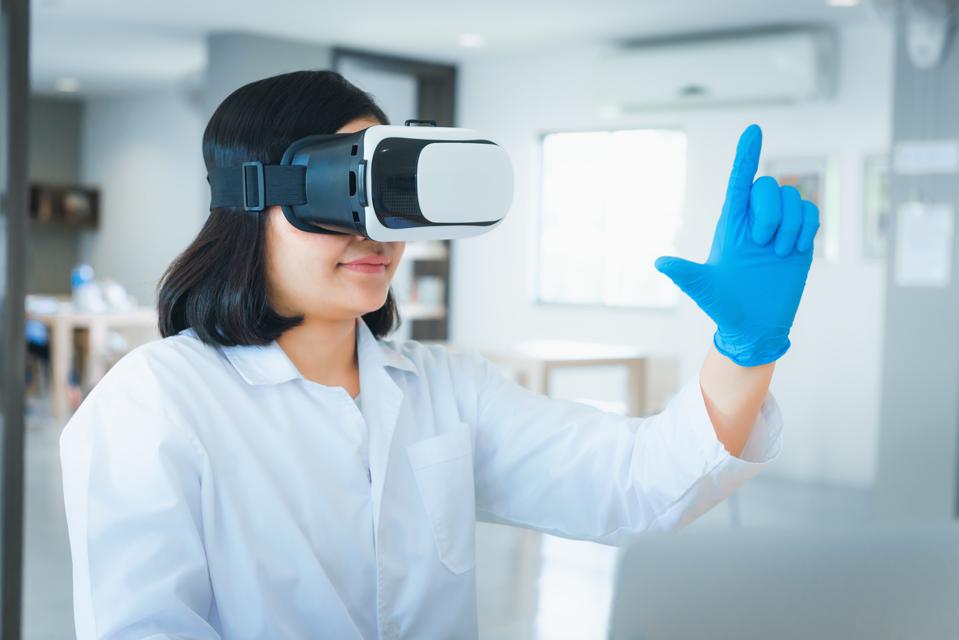
Medical schools, training programs and hospitals are always looking for new ways to educate students and new doctors on how to effectively treat patients. Thanks to innovations in virtual reality technology, there are some fascinating new services available to help students practice and improve their abilities in lifelike scenarios.
Avoiding Alert Fatigue and Clinician Burnout While Scaling Virtual Care

The ability to capture and surface data through remote monitoring is a necessary component of a high impact virtual care program. If used effectively, virtual care can dramatically improve patient outcomes, but at what cost? In this article, we discuss a critical obstacle to scaling virtual care that has the potential to dampen its transformative expectations.
Industry Voices – Will the country choose virtual care post-COVID-19? Yes—but only if it’s better
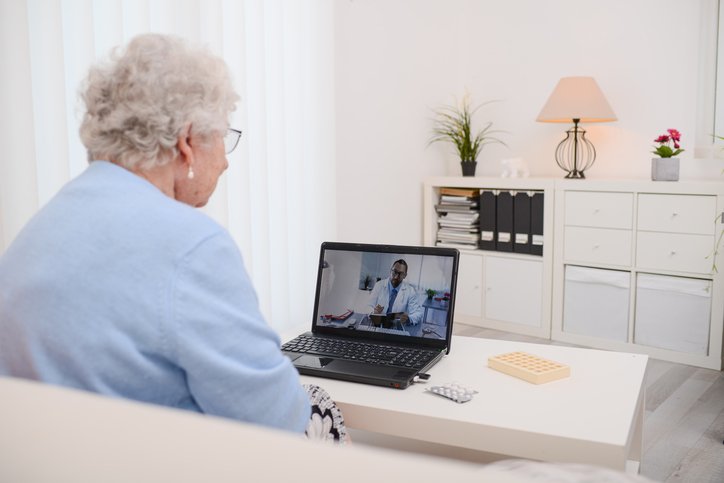
Today, telehealth is largely a matter of convenience—which in and of itself has great value in improving access and lowering costs. But telehealth will prove, in the coming months and years, that it will deliver better primary care to larger numbers of patients—and do so more efficiently than our current brick-and-mortar system. Here’s how…
How Virtual Reality Is Aiding Mental Health Care

Due to the recent COVID-19 pandemic, technology has seen an increasing role in healthcare, with the current global crisis bringing a new level of interest into technology-based solutions for many of the ongoing health challenges. However, in recent years, virtual reality (VR) has already begun to be used to assist with treatment of mental health issues, such as anxiety disorders and phobias.