
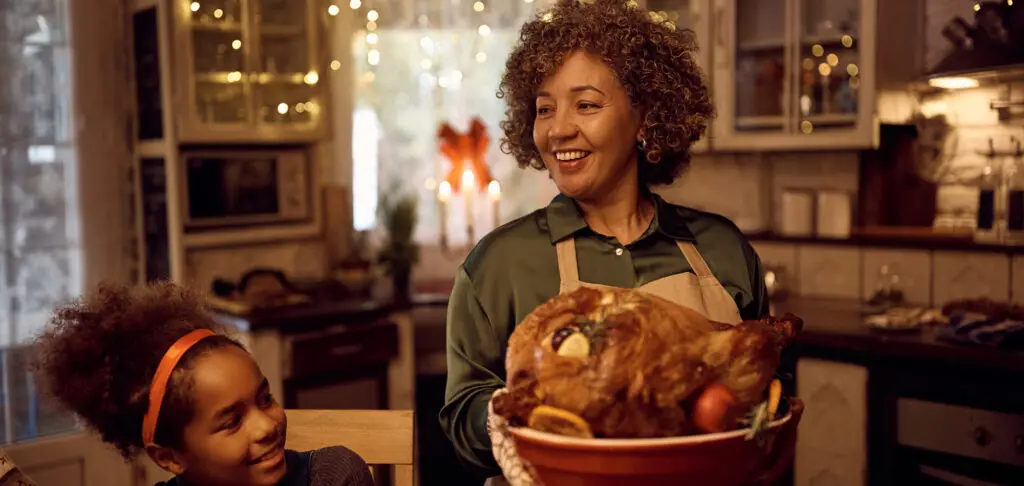
What Happens to Your Body Before, During, and After the Feast
“There is no love sincerer than the love of food.”
George Bernard Shaw
Imagine waking up on a holiday morning and deciding to skip breakfast to save room for dinner. By the time evening arrives, your stomach is roaring, and you eat a MASSIVE plate of food before slumping onto the couch for four hours. The next morning, you eat warm apple pie for breakfast and feel like you need to fast all day to make up for it!
Most people focus entirely on the single hour spent sitting at the holiday dinner table. However, your body views a holiday meal as an entire journey that begins hours before the first bite and continues for days after the party ends.
By looking at how your digestive system, blood sugar, and habits interact over this entire period, you can enjoy every holiday celebration while keeping your energy high and your body feeling great.
The Pre-Meal Trap: Why Saving Calories Backfires
A popular trick before a big holiday meal is starving yourself all day to save room for dinner. While this strategy sounds smart on paper, it sets off a biological chain reaction that makes comfortable eating almost impossible.
When you go many hours without eating, your body releases high levels of a chemical called ghrelin. Ghrelin is your body’s primary hunger signal, and when it rises, your brain goes into survival mode. By the time you sit down at the dinner table, your brain demands fast, high-energy fuel. This intense biological drive makes it extremely difficult to eat slowly or recognize when you are full.
To prevent this pre-dinner hunger spike, try eating meals rich in protein and fiber earlier in the day. A light breakfast of eggs and avocado keeps your blood sugar steady, keeping your appetite calm and controlled before the big feast.
Adding alcohol to an empty stomach before dinner causes another interesting reaction. Drinking alcohol on an empty stomach lowers your natural impulse control and temporarily drops your blood sugar, making those salty appetizers on the counter nearly impossible to resist. But good news is that there are a lot of non-alcoholic options to enjoy the festivities.
Here’s a tart, refreshing and beautifully festive non-alcoholic cocktail:
Cranberry Rosemary Sparkler
Unsweetened cranberry juice, sparkling water, a squeeze of orange, and fresh rosemary. Garnish with frozen cranberries.
More mocktail recipes for the holidays: https://www.eatingwell.com/festive-mocktail-recipes-11846898?
Inside Your Digestive System During the Feast
When you finally sit down to enjoy your feast, your digestive system springs into action to turn your meal into usable body energy.
As you enjoy rich holiday carbohydrates like mashed potatoes, rolls, and sweet casseroles, your stomach breaks them down into a simple sugar called glucose. As glucose enters your bloodstream, your blood sugar level begins to rise naturally. To handle this fresh influx of energy, your pancreas releases a hormone called insulin.
Think of insulin as a microscopic key. It travels through your bloodstream and unlocks the outer doors of your body’s cells so glucose can move out of the blood and into the cells, where it is used for immediate energy or stored for later.
The order in which you eat your food actually changes how quickly this entire process happens. If you start your meal by eating vegetables and protein before moving on to heavy carbohydrates, the fiber creates a gentle net inside your stomach. This net slows down digestion, allowing glucose to enter your bloodstream at a smooth, steady pace rather than creating a sharp sugar spike.
The Post-Dinner Couch Slump and Muscle Power
After finishing a delicious holiday dinner, the most tempting move is sinking straight into a soft living room chair for the rest of the evening. However, staying completely still after a large meal creates a heavy, sleepy feeling.
Your muscles are the largest consumers of sugar in your entire body. When you sit still after eating, your cells rely entirely on insulin to clear glucose out of your blood. But when your muscles contract during light movement, they activate special channels that pull sugar straight out of your blood without needing extra insulin at all.
This is why taking a quick 10- to 15-minute post-meal walk around the neighborhood works like magic. Walking speeds up stomach emptying, reduces post-meal sluggishness, and helps your body process blood sugar smoothly so you feel light and energized.
Desserts, Late-Night Grazing, and the Leftover Effect
The holiday story does not end when dinner plates are cleared away. Dessert trays, candy bowls, and snack platters often sit on countertops for the rest of the night, making it easy to engage in mindless grazing while chatting with family. To find out more about the perils of mindless eating, check out our blog: Breaking the Binge Eating Cycle: Darn it – It’s your hormones.
Even more important than the holiday dinner itself is the leftover effect. A single heavy meal on a holiday evening has virtually no long-term impact on your overall health or weight. What really changes how you feel over the festive season is letting a single holiday dinner turn into a multi-day streak of heavy eating.
When holiday foods become your primary option for breakfast, lunch, and dinner for several days after the party, your digestive system remains under constant strain. Enjoying delicious leftovers is one of the best parts of the season, but pairing those special dishes with fresh vegetables and water gives your body the balance it needs.
Returning to Balance Without Fasting or Guilt
Waking up the morning after a large holiday feast can sometimes bring feelings of guilt or the urge to restrict your food intake. Many people respond to a big meal by skipping meals the next day or trying harsh short-term cleanses.
Drastic restriction after a feast only restarts the cycle of extreme hunger and overeating. The absolute best move you can make the day after a feast is simply returning to your normal, comfortable eating routine.
Your body is remarkably good at managing an occasional indulgence, especially when you give it a little help. Starting your day with protein and fiber, taking a short walk after a festive meal, and getting back to your usual habits the next day can make a meaningful difference.
Remember that your overall health is built over months and years of simple daily habits, not by holiday eating for several weeks. By listening to your body before, during, and after the meal, you can enjoy all your favorite holiday traditions with peace of mind.