
Winter Blues? Understanding Seasonal Affective Disorder
I told my therapist I have Seasonal Affective Disorder.
She said, “Have you tried getting more sunlight?”
I said, “Sure, but the Sun keeps calling in sick from November to March.”
As the days shrink and sunshine fades, do you feel gloomier, heavier, harder to shake off? That’s Seasonal Affective Disorder (SAD). In this blog, we’ll explore what SAD is, why our moods follow the seasons, and how to bring sunshine back, no matter the weather.
What is SAD?
SAD is much more than just the common “winter blues.” It’s a clinically recognized type of major depressive disorder that reliably follows the calendar. Think of it like a repeating schedule: for people affected, the symptoms of depression consistently begin when the seasons change, usually starting in the late fall or early winter. Then, when the sunny days of spring or early summer arrive, the symptoms naturally go into remission.
The Science Behind the Seasonal Shift
Why does less sunlight make some people feel down in the winter?
It mostly comes down to how shorter, darker days throw off a few important systems in your body. Here are the three big ways it happens:
- Your body clock gets confused: Your body runs on a natural 24-hour rhythm that tells you when to feel awake and when to feel sleepy. Sunlight is the main “reset button” for this rhythm. Now in winter, mornings are dim, so your internal clock doesn’t get a clear signal. As a result, you might feel groggy in the morning and have low energy throughout the day.
- Your sleep hormone hangs around too long: Melatonin is the hormone that helps you wind down for sleep. Normally, it rises when it gets dark and falls when the sun comes up. But in winter, when it stays dark for longer, your body can accidentally stay in “sleep mode” for too many hours. That extra melatonin can make you feel tired, heavy, and want to sleep more than usual.
- Your “feel-good” chemical can drop: Serotonin is a brain chemical that helps keep your mood stable and your energy steady. Sunlight naturally boosts serotonin levels. So when you’re not getting enough light, especially during gloomy winter days, serotonin can dip. This can leave you feeling low, irritable, or just not very motivated.
To give you an idea of just how common this is, did you know that an estimated 5% of adults in the US experience SAD in a given year?
Recognizing Symptoms and Consequences
When winter-onset SAD kicks in, it often shows up in ways you can feel clearly in your daily life. Here are some signs you might notice in yourself:
- Hypersomnia: You may find yourself feeling extremely tired, needing at least 10–12 hours of sleep, and still waking up groggy or unrefreshed. Getting out of bed on time can feel almost impossible.
- Carbohydrate Cravings and Weight Gain: You might notice yourself reaching for more high-carb comfort foods like bread, pasta, or sweets. This is your body’s way of trying to boost your mood, since carbs can give a temporary lift in serotonin. Because of this, you may also see your weight go up during the winter months.
- Social Withdrawal: You may feel less interested in seeing people, joining activities, or keeping up with your usual hobbies. Instead, you may find yourself wanting to stay home and be alone more than usual.
- Persistent Low Mood: You might feel sad, irritable, or hopeless most days, or lose interest in things you normally enjoy. This low mood tends to linger throughout the day, not just in short bursts.
Where you live can also make a big difference. People in places with long, dark winters often feel the effects more. For example, studies show that in sunny Sarasota, Florida, only about 1.4 percent of people experience winter SAD, while in northern towns like Nashua, New Hampshire, the number climbs to nearly 10 percent.
The takeaway? Light matters. Shorter days and reduced sunlight can really affect your mood, energy, and sleep patterns. So, if you find yourself feeling low when winter sets in, it’s not just in your head; your body is responding to the change in light.
Practical Management and Treatment for SAD
The great news is that because we understand the cause, SAD is highly treatable and manageable! Since the core problem is a lack of light exposure, many of the most effective strategies involve bringing light back into your life, even when the sun won’t cooperate.
Effective Strategies to Fight SAD:
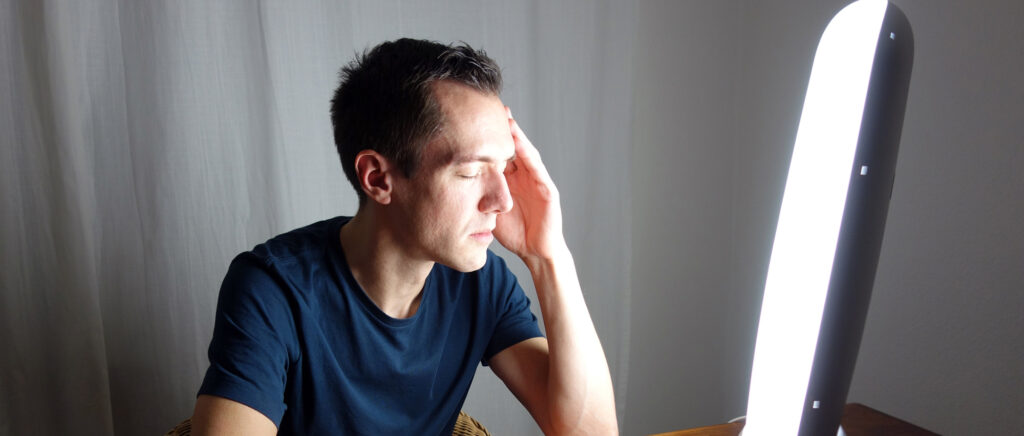
- Light Therapy (Phototherapy): This is considered a first-line treatment. It involves sitting in front of a specialized light therapy box that emits a very bright light that mimics natural sunlight. Using this for 20 to 30 minutes each morning immediately after waking up helps reset the internal clock and suppresses excessive melatonin production. It’s an effective way to trick your brain into thinking it’s morning, even on the darkest days. Check out some light therapy lamps to try: https://www.health.com/condition/depression/best-light-therapy-boxes
- Maximizing Natural Light: Even if it’s cloudy, natural daylight is far superior to indoor lighting. Make it a point to go outside for a walk, especially early in the day. Keep blinds open and position your workspace near a window.
- Regular Exercise: Physical activity is a powerful, natural mood regulator. It releases endorphins, which have mood-boosting effects. Maintaining a consistent exercise routine can significantly help manage the symptoms of low mood and low energy associated with SAD.
- Psychotherapy: Cognitive-Behavioral Therapy for SAD (CBT-SAD) is very effective. This therapy helps you identify and change the negative thought patterns and avoidance behaviors like social withdrawal that often accompany the disorder.
- Medication: If symptoms are severe or don’t respond adequately to light therapy and lifestyle changes, a doctor may recommend antidepressant medication, which can help balance neurotransmitter levels during the winter months. These are typically taken only for the duration of the season.
- The Simple Power of Gratitude: Fighting SAD isn’t just about clinical treatments; it’s also about training your mind to focus on positive reality, even when your mood feels heavy. One of the simplest and most powerful ways to strengthen your mental well-being and fight feelings of depression is by consciously practicing gratitude. This simple act of being thankful is a powerful life hack for attracting more health and happiness. Do check out more on this amazing technique in our blog – The Power of Gratitude in Attracting Health and Happiness.
Conclusion
So, is SAD just the “winter blues”? Not at all. It’s a real, recurring form of depression that is closely tied to changes in light and season. But here’s the empowering truth: you are not powerless against it.
There are proven, research-backed ways to fight back. Light therapy, spending time outdoors, regular exercise, and seeking professional support can all make a real difference. Small, consistent actions can help you lift the cloud and reclaim your energy and mood.
Remember the words of Hal Borland: “No winter lasts forever.” Even when the days feel short and heavy, spring is on its way, and until then, you can be your own light.