
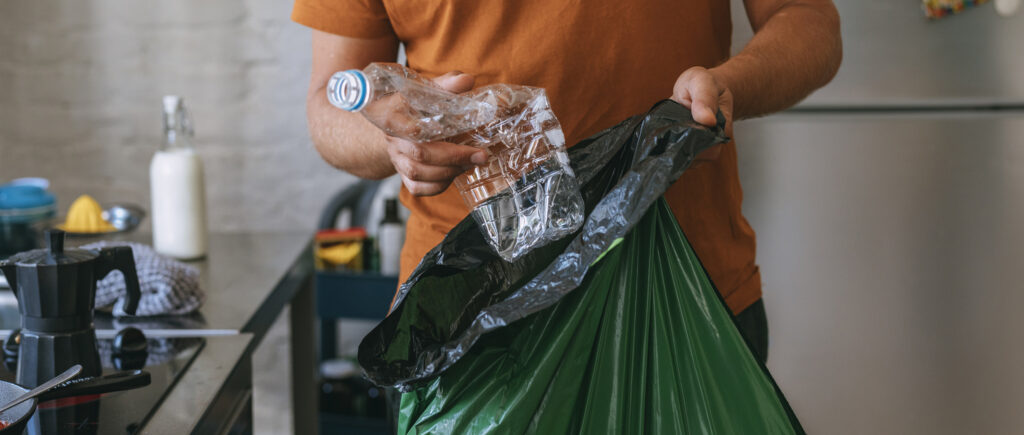
Simple Ways to Keep Toxins Out of Your Home
Have you ever wondered if common household items or indoor air could affect how you feel?
Most of us work hard every single day to make healthy choices for our families. We try to pick fresh fruits and vegetables, stay active, drink enough water, and keep our living spaces clean and welcoming.
However, the hidden environment inside our houses often gets left out of the conversation.
Modern homes are built to be very energy-efficient, keeping warm air inside during the winter and cool air inside during the summer. While this is great for saving electricity, it also means that invisible pollutants and plastic dust get trapped inside right where we eat, sleep, and breathe!
The good news is that clearing out these hidden pollutants does not require spending money on high-end air purifiers, subscribing to expensive organic delivery services, or replacing every single item in your home overnight!
In fact, some of the best ways to shield your family from harmful chemicals cost no money at all…
The Hidden Problem with Heating Everyday Plastics
Plastics are everywhere in modern kitchens because they are lightweight, cheap, and convenient.
However, commonly used plastics have an ugly underbelly. They are made with a cocktail of synthetic chemicals, including phthalates and bisphenol A (BPA). We’ve already taken a deep dive into these troublemakers in our previous pieces, but it’s worth a quick refresher on why they deserve our attention.
These chemicals can mimic the hormones naturally produced by our bodies, essentially posing as the ‘real thing’ and throwing our internal systems off track. The result? They can interfere with everything from metabolism and growth to sleep and energy levels – all while quietly pretending they belong there.
The biggest danger happens when plastic meets heat. High temperatures cause the chemical bonds inside plastic containers to break down much faster. When you place a plastic tub full of hot soup into the microwave or pour piping-hot food straight into a plastic bowl, heat causes tiny chemical fragments and microscopic plastic particles to leach directly into your meal.
To show how fast this happens, researchers at the University of Nebraska-Lincoln conducted a laboratory study on plastic food containers. They discovered that microwaving plastic baby food containers released up to 2.11 billion microplastics and 4.22 million nanoplastics from just a single square centimeter of plastic in as little as two minutes!
So, what can we do about this?
You do not need to buy expensive glass cookware sets to solve this problem. You can protect your food using simple, low-cost habits starting today:
1. Replace plastic cutting boards before replacing every container
Before you go into “panic mode” and start replacing every plastic container in your kitchen – or saving every glass jar you can find – start small.
One often-overlooked source of plastic exposure is sitting right on your kitchen counter: the ‘humble’ plastic cutting board. With repeated chopping and scraping, tiny particles of plastic can be released from its surface and potentially end up in food.
In fact, research has found that chopping on plastic boards can release measurable amounts of microplastic particles. A sturdy wooden or bamboo board can be a simple, durable alternative, and one less plastic surface taking a daily beating in your kitchen.
2. Take a closer look at your furniture and fabrics
Plastic doesn’t always look like plastic. Some of it is hiding in your fleece blanket, polyester clothes, acrylic rug and synthetic upholstery.
These materials can shed tiny plastic fibers through everyday wear and abrasion, contributing to microplastics in household dust and indoor air.
So, the next time you’re replacing a household textile, consider choosing cotton, linen, wool or other natural fibers where practical.
You don’t need to throw out every synthetic item you own. Instead, think “replace gradually, not radically.”
When something reaches the end of its useful life, choose a natural-fiber alternative if it works for your needs.
3. Don’t let “BPA-free” be the end of the conversation
A label saying “BPA-free” can sound like a reassuring green light – but it DOESN’T mean the product is automatically free from ALL chemicals of concern!
BPA is only one chemical used in plastics and food-contact materials. Different products can contain different additives, depending on how they are made and what properties they need.
So instead of playing the endless game of “Which chemical should I avoid next?”, take a broader approach. When you have a choice, consider what the item is made from, how you use it and whether it is exposed to heat, food or repeated wear.
In other words, don’t let one reassuring label make you forget to look at the bigger picture!
Now that we’ve tackled plastics, let’s turn to another hidden troublemaker in our homes: trapped indoor air. Yes, that stale air quietly sitting around can affect your health too! Let’s uncover simple ways to clear it out.
Why Indoor Air Gets Trapped and How to Clear It
Official reports from the U.S. Environmental Protection Agency show that air inside typical homes can actually be 2 to 5 times more polluted than the air outside!
Every time you sear food in a frying pan, light a candle, or turn on a gas stove burner, you create microscopic soot particles and invisible gases like nitrogen dioxide.
Breathing these airborne irritants over time can trigger morning nose congestion, throat tickles, dry eyes, and subtle headaches.
But don’t panic! Instead of buying an expensive air filter machine, you can clean your home’s air simply by understanding how air naturally moves.
- Create a Cross-Breeze: Open two windows on opposite sides of your house while you are cooking dinner. This creates a natural wind tunnel that sweeps dirty air out one window while pulling fresh air in through the other.
- Run the Exhaust Fan Early: Turn on your stove’s exhaust fan right before you start heating up your pan, not after you smell smoke. Keep the fan running for 5 extra minutes after you finish cooking to clear out lingering invisible gases.
- Add Low-Maintenance Plants: Easy-to-grow houseplants like snake plants, pothos, and peace lilies absorb minor chemical residues straight through their leaves and root systems, helping refresh your indoor air naturally over time.
- Leave Shoes at the Front Door: Internal Medicine Physician, Doctor Daniel Sullivan, MD points out that the majority of lawn pesticides, dirt, and heavy metals found in home carpets actually come from the bottoms of shoes! Establishing a firm no-shoes rule right at your front door immediately stops these outdoor toxins from getting scattered across your floors.
Final Thoughts
Creating a toxin-free home isn’t a do-it-all-at-once approach. Start with one or two simple changes that feel manageable, then build on them over time to create a cleaner, healthier home.